
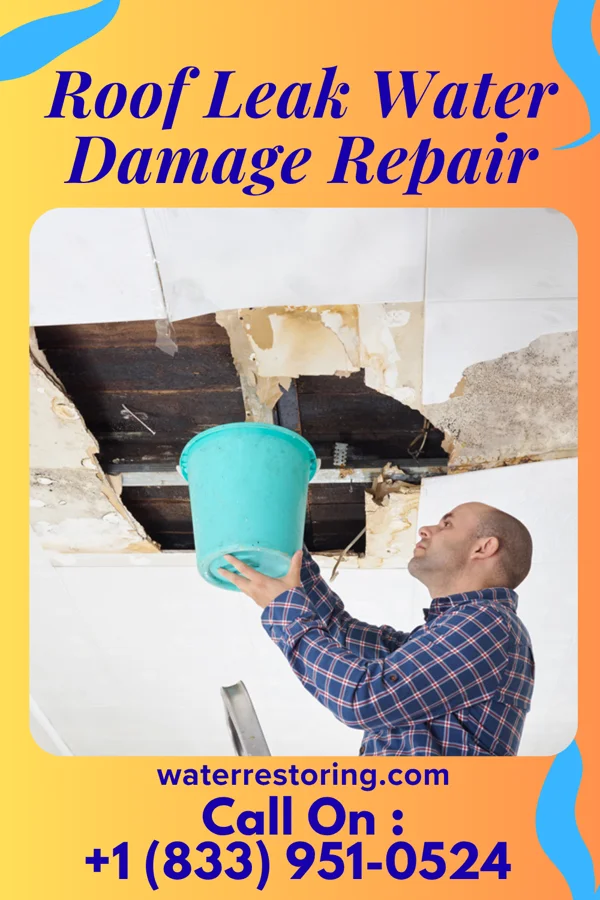
New England Storm Roof Leak Drivers
Water damage in New England tends to cluster in predictable windows because of the local climate. New England, Georgia experiences frequent thunderstorms and heavy downpours, particularly during the late spring and early summer months. These intense weather events can lead to sudden roof leaks and water damage, especially in rural areas with older roofing materials. The region's unpredictable weather patterns require quick and reliable roofing repairs to prevent long-term damage. A close second is While New England, Georgia is not typically prone to hurricanes, the area can experience severe weather including high winds and hail, which can compromise roof integrity. Additionally, the region's humid climate contributes to moisture buildup, increasing the risk of leaks and mold growth..
The combination of heavy rainfall, high humidity, and frequent thunderstorms in New England, Georgia leads to common issues such as roof leaks, water infiltration, and mold growth. These conditions are particularly challenging in rural areas where roofing maintenance may be less frequent.
The combination of heavy rainfall, high humidity, and frequent thunderstorms in New England, Georgia leads to common issues such as roof leaks, water infiltration, and mold growth. These conditions are particularly challenging in rural areas where roofing maintenance may be less frequent. The dominant local driver is New England, Georgia experiences frequent thunderstorms and heavy downpours, particularly during the late spring and early summer months. These intense weather events can lead to sudden roof leaks and water damage, especially in rural areas with older roofing materials. The region's unpredictable weather patterns require quick and reliable roofing repairs to prevent long-term damage., with While New England, Georgia is not typically prone to hurricanes, the area can experience severe weather including high winds and hail, which can compromise roof integrity. Additionally, the region's humid climate contributes to moisture buildup, increasing the risk of leaks and mold growth. showing up as the next most common cause. Damage builds in stages. Spread. Absorption. Microbial growth. Structural compromise. Every stage you pass through adds to the final bill.